
How CSWs and interpreters can avoid Deaf disempowerment
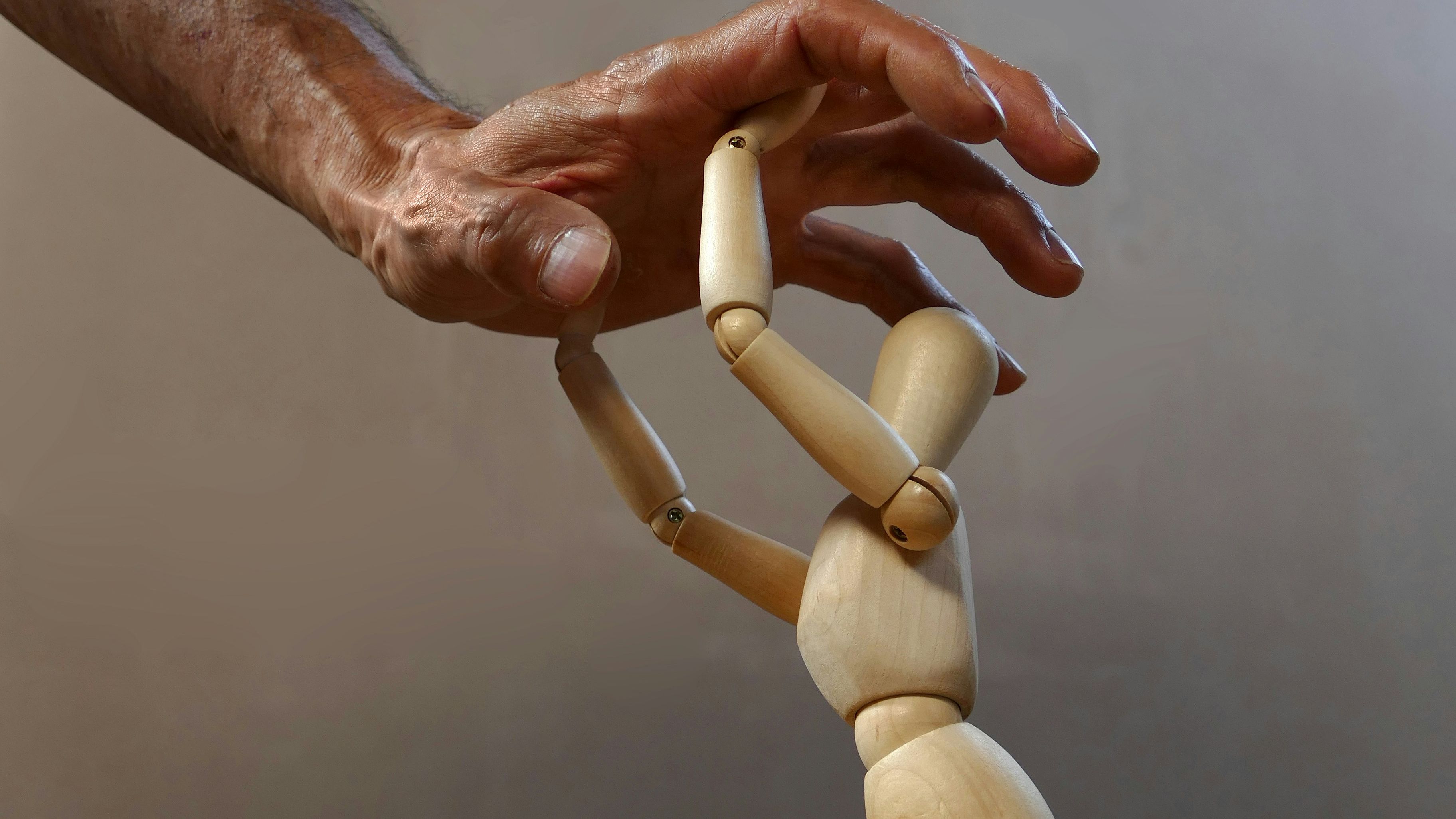
Most Communication Support Workers (CSWs) and Sign Language Interpreters enter this profession because they care about access, equality, and supporting Deaf people to participate fully in education, employment, healthcare, and everyday life.
But sometimes, despite our best intentions, we can accidentally become part of the barrier through habit, assumptions, and forgetting whose conversation it actually is.
This is where the concept of Deaf disempowerment becomes important.
Deaf disempowerment happens when a Deaf person loses control, influence, or access within situations that directly affect them. It can happen because of systems, policies, attitudes, or communication barriers. But it can also happen in much smaller, everyday interactions.
And sometimes, support professionals contribute to it without realising.
That can be uncomfortable to hear. It certainly was for many of us when we first started reflecting on these ideas. But growth in this profession has always started with reflection.
One of the most common examples happens during interpreted conversations:
- A hearing person asks a question.
- Instead of maintaining eye contact with the Deaf person, they look directly at the interpreter.
- The interpreter answers.
- The conversation continues between the hearing person and the interpreter.
- Within seconds, the Deaf person has effectively disappeared from their own conversation.
Nobody intended harm, yet the outcome is still disempowering.
Another example appears in educational settings:
- A tutor asks a question.
- The Deaf student pauses to think.
- The CSW jumps in quickly to explain, clarify, or help.
Again, the intention is usually positive, but the problem is that support can quietly become substitution.
Over time, repeated moments like this can send a message that the Deaf person needs somebody else to manage communication on their behalf.
One of the hardest skills to learn as a CSW or interpreter is recognising when our support is helping access and when it is unintentionally taking control away.
That line can sometimes be thinner than people realise.
A useful question to ask yourself is:
"Am I creating access, or am I taking ownership of the interaction?"
Those are two very different things, because the goal is to ensure the Deaf person remains the most important person in the interaction.
That requires conscious choices:
- It means resisting the urge to answer for somebody.
- It means allowing silence when a Deaf person is thinking.
- It means interpreting information fully rather than deciding what is or is not important.
- It means remembering that our role is to transfer communication, not manage people's relationships.
Sometimes it also means challenging hearing privilege when we see it.
For example, if a manager continually speaks to the interpreter instead of the Deaf employee, a good ally gently redirects communication back where it belongs.
If a professional forgets to include the Deaf person in a discussion, allyship means helping restore access rather than allowing exclusion to continue.
That is very different from speaking on somebody's behalf.
Allyship is helping create conditions where Deaf people can advocate, participate, and make decisions for themselves.
Many Deaf people have spent years navigating systems that underestimate them, speak for them, or make assumptions about their abilities. Support professionals have a unique opportunity to either reinforce those patterns or help break them.
That responsibility should not feel frightening, but empowering. Because small changes make a huge difference:
Waiting an extra few seconds before stepping in.
Making sure information is interpreted completely.
Encouraging direct communication.
Reflecting honestly after assignments.
Being willing to ask yourself difficult questions.
These actions may seem small, but collectively they help create something incredibly important: Trust.
Trust that the Deaf person remains in control of their own life, their own decisions, and their own conversations.
At Deaf Umbrella, we believe reflective practice is one of the most valuable skills a CSW or interpreter can develop. Technical skills matter. Qualifications matter. But the professionals who create the greatest positive impact are often the ones who continually ask themselves:
"How can I return more control to the Deaf person?"
Because at its heart, communication support has never been about speaking for Deaf people. It has always been about making sure they are fully heard.
